



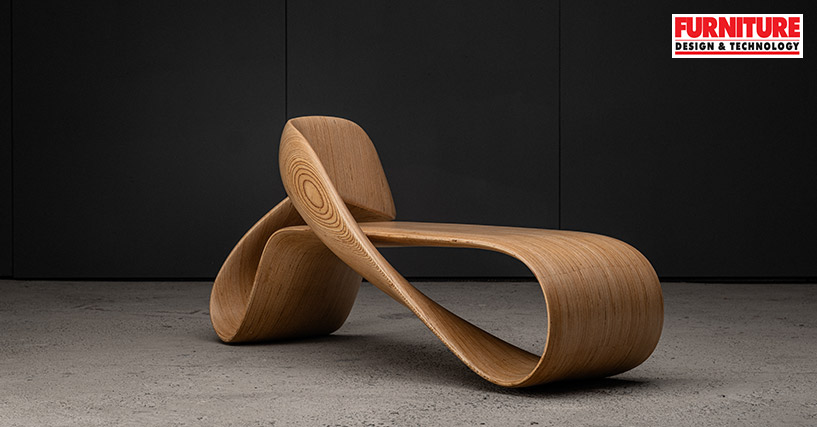
India’s furniture industry is in the midst of a quiet transformation. Design is no longer defined merely by aesthetics or utility - it’s becoming an expression of culture, consciousness, and craft. As sustainability, storytelling, and technology reshape the way Indians live and furnish their spaces, Furniture Design & Technology Magazine (FDT) observes a decisive shift: a new generation of brands is reimagining what it means to design for the modern Indian home.
In India’s rapidly shifting design landscape, furniture is no longer just about form or function - it’s about identity. As urban living compresses space and expands expectations, consumers are demanding pieces that speak to their values, tell a story, and adapt to hybrid lifestyles. Three distinct studios - Orange Tree, STRROT, and andblack studio - offer compelling, overlapping visions of what the future of Indian furniture could look like. Together, their insights paint a portrait of an industry in flux: one where sustainability is non-negotiable, craftsmanship is redefined rather than romanticised, and customisation is the new standard. But more than that, they reveal a shared belief: furniture must carry intention.
SUSTAINABILITY: BEYOND BUZZWORDS, TOWARD SYSTEMS
For Gaurav Jain, Founder of Orange Tree, sustainability is foundational - not optional. “Sustainability is the very core of our brand,” he states, pointing to transparent sourcing, certifications, and the integration of artisanal skill with state-of-the-art production. Yet even as a vertically integrated brand, he acknowledges a systemic gap: “Being champions of environmental conservation, another challenge we face is the lack of a sustainable supply chain… a complete eco-friendly ecosystem.”
STRROT takes a different - but equally deliberate - approach. Founder Sidhant Lamba clarifies: “We may not label ourselves as a ‘sustainable brand’ in the traditional sense, but we strongly believe in mindful practices.” In-store display units are reused, repurposed, and turned into working samples. “We don’t believe in wastage,” he says. STRROT also partners with international brands whose ethos aligns with environmental consciousness - a curation strategy that extends responsibility beyond local production.
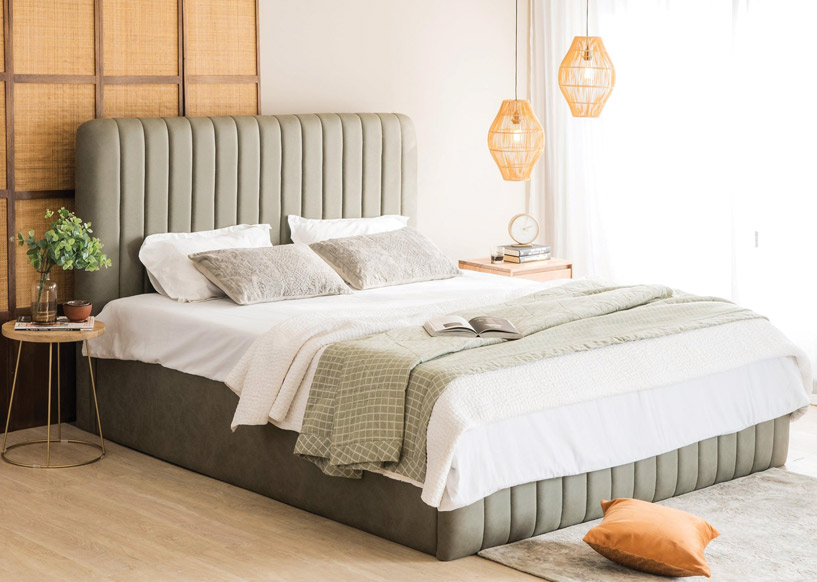
Seana hydraulic beds by Orange Tree
At andblack studio, sustainability emerges through material integrity and structural intelligence. “Our furniture achieves strength through the structural logic encoded in the design,” explain founders Jwalant and Kanika Mahadevwala. By relying on grain alignment, generational woodworking knowledge, and minimal hardware, their LOOP series minimises waste and maximises longevity. Their method is inherently sustainable - not through certification, but through design philosophy. All three agree: true sustainability isn’t just about materials - it’s about systems, choices, and reducing excess at every stage.
CRAFT REIMAGINED: FROM ORNAMENT TO ARCHITECTURE
Indian craft is undergoing a quiet transformation - from decorative flourish to structural principle. andblack studio leads this shift most radically. Their LOOP benches and Jhoola collection are carved from single sheets of wood, shaped into doubly curved, cantilevered forms that require no joinery. “What truly stands out is our ability to elevate the level of craftsmanship in parallel with these advancements,” they say, highlighting how digital tools and artisanal expertise converge to achieve “a finer edge in execution.”
STRROT celebrates craft as narrative. Its Mosaic Dining Table, inlaid with hand-cut semi-precious stones like malachite and tiger eye, or its Inlay Center Tables with contemporary takes on traditional techniques, are designed to “spark conversation.” “People love the warmth, the craftsmanship and the ease of customisation that Indian artisans bring,” Lamba notes. Here, craft isn’t hidden - it’s the centrepiece.
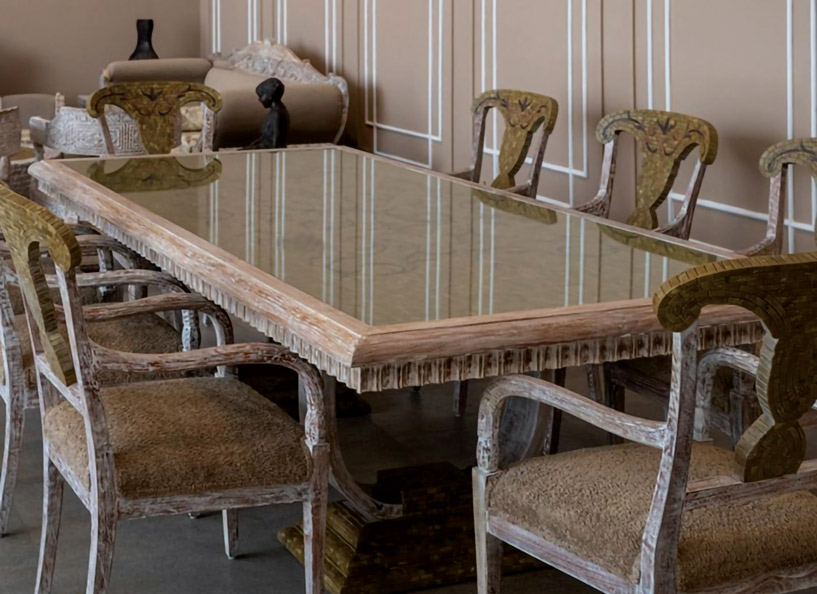
Strrot’s Mosaic Dining Table
Orange Tree bridges craft and scale. “Furniture, décor and lighting that narrate a global design language are also tuned in with Indian artistry,” says Jain. Their Andaman Neil day bed and Attica dining sets integrate carving and inlay into clean-lined silhouettes, making heritage accessible to the cosmopolitan consumer. Crucially, they treat artisans not as suppliers but as collaborators - blending “technology with artisanal craftsmanship” in state-of-the-art facilities. For all three, craft is no longer about nostalgia - it’s a living language, evolving with new tools, new forms, and new audiences.
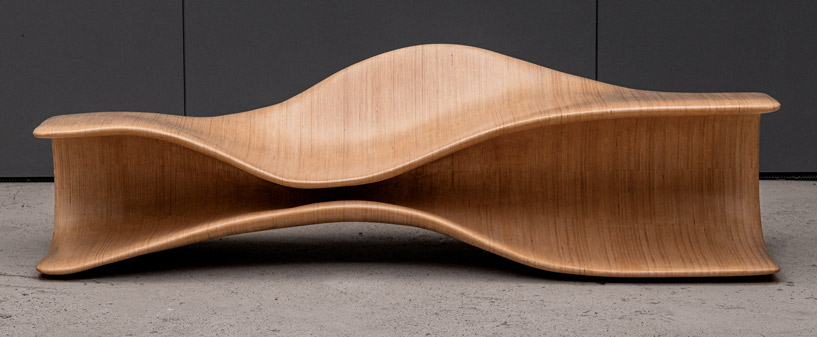
LOOP pinched bench by andblack Design Studio
CUSTOMISATION: EXPECTED, NOT OPTIONAL
The era of one-size-fits-all furniture is over. Today’s buyer - whether in Bengaluru, Kochi, or Raipur - wants agency. “Custom sizes, finishes, and materials are no longer an add-on - they’re expected,” says Sidhant Lamba. At STRROT, clients routinely tweak everything from marble tabletops to semi precious overlays. Even furniture rental is gaining traction among mobile urbanites who “want to live beautifully without long term commitments.”
Orange Tree meets this demand with digital tools and agile production. “Technology that allows customers to visualise and tailor materials, dimensions, finishes and colours is the need of the hour,” Jain explains. Their centralised production system - combining automation and hand-finishing - helps balance personalisation with efficiency, even as customers “expect swift personalised order fulfilment.”
For andblack studio, customisation is intrinsic to their process. “Customization… requires time, iterative refinement, and hands-on detailing, which naturally extends production timelines,” they acknowledge. But their clientele accepts this - they’re investing in “unique, experimental pieces that bring individuality to one’s living space,” not mass-market commodities.
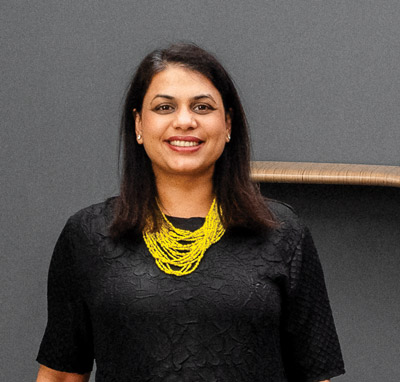
Kanika Agarwal, Co-founder andblack Design Studio
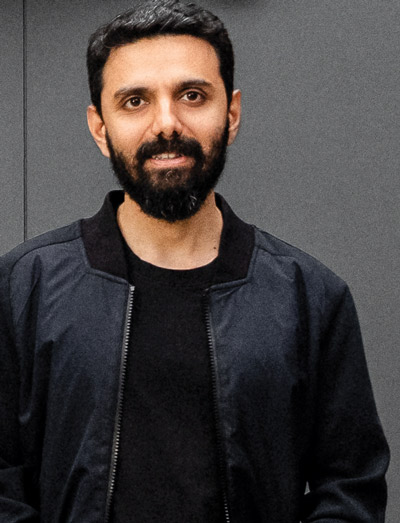
Jwalant Mahadevwala, Co-founder andblack Design Studio
As they put it: “The emphasis has moved beyond affordability to value.” Across scales - from boutique to national - customisation is now table stakes.
THE EVOLVING INDIAN MARKET: FROM METRO HUBS TO MINDFUL BUYERS
All three observe a market shedding its passive consumer role. “Customers today are far more design-aware,” says Lamba. “They’re drawn to global styles… and looking for statement pieces that reflect their personality.” This holds true not just in metros like Mumbai and Delhi, but in Tier II and III cities - where, according to Jain, “remarkable economic and infrastructural growth is driving furniture demand.” Raipur, Kochi, and Chandigarh are now hotspots for “premium, customised, sustainable” furniture. andblack studio sees this as a cultural shift: “The Indian market continues to experiment… creating opportunities for innovation and growth.” Unlike more static global markets, India’s design ecosystem thrives on “fresh design languages, innovative concepts, and a revival of craft traditions.”
Yet challenges remain. Rising raw material costs, logistics hurdles, and the tension between scalability and craftsmanship affect all players. “Delivering premium luxury… in a value-conscious market
"The furniture making craft is no longer about nostalgia - it’s a living language, evolving with new tools, new forms, and new audiences."

Sidhant Lamba , Founder, STRROT
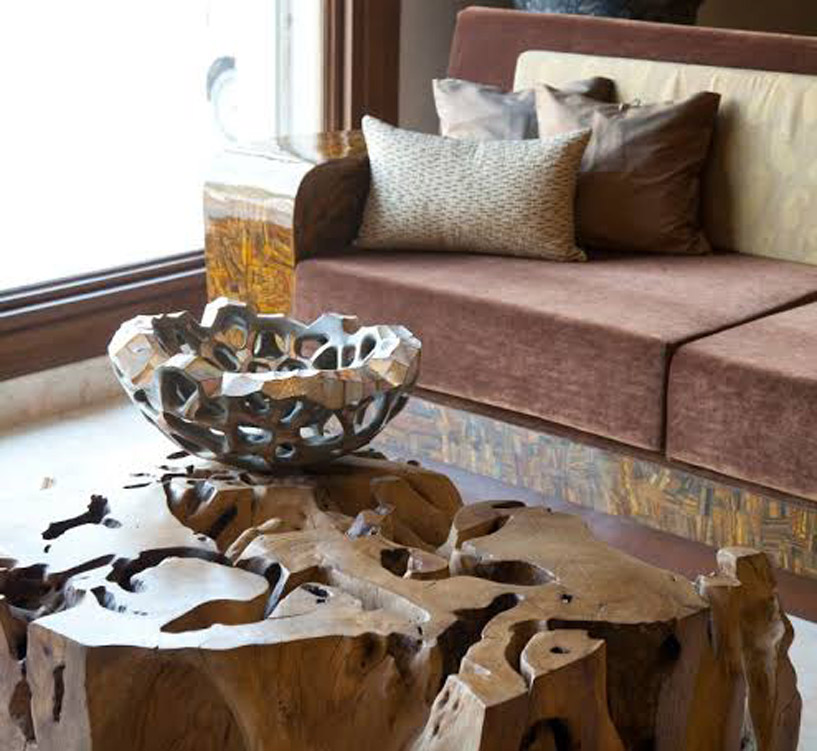
Strrot’s Tiger Eye Sofa
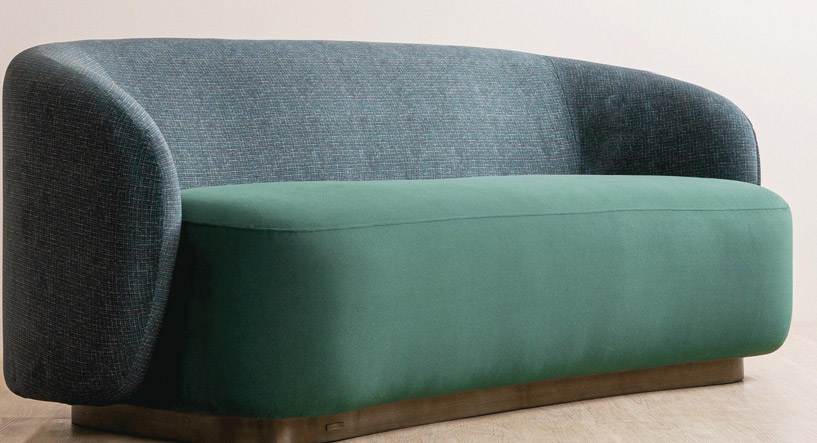
Brio 3 Seater Sofa designed by Orange Tree
like India is our consistent aim,” says Jain. STRROT navigates this by blending imported and Indian-made lines. andblack prioritises integrity over volume. Each finds balance in their own way.
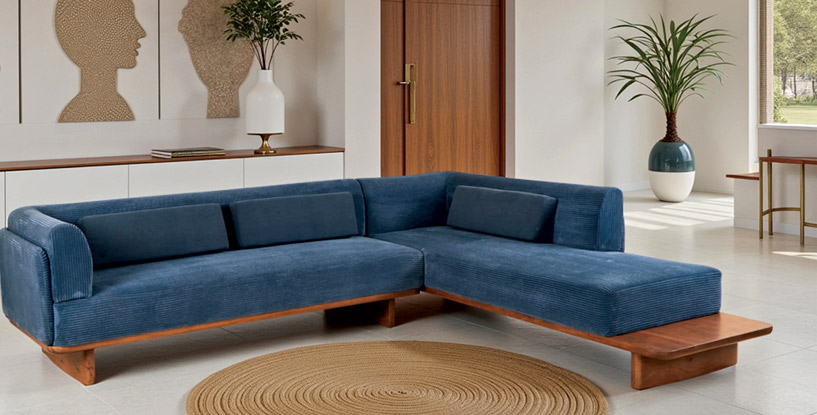
Anish Modular L-Shape Sofa designed by Orange Tree

Gaurav Jain, Founder, Orange Tree
FURNITURE AS BELONGING
What unites these three perspectives is a conviction that furniture must belong - not just in a room, but in a life. It must reflect ethics, memory, and aspiration. Whether through Orange Tree’s democratised sustainability, STRROT’s curated global local dialogue, or andblack’s sculptural minimalism, Indian furniture is no longer derivative. It’s deliberate. As homes become sanctuaries, studios, and social spaces all at once, the pieces within them must do more than hold weight - they must hold meaning. And in that shared pursuit, Indian design is finding its voice.
Furniture Design India and the magazine FURNITURE DESIGN & TECHNOLOGY (FDT magazine) are from the trusted 22-year-old media house of SURFACES REPORTER and PLY REPORTER.
FDT is a B2B monthly bilingual magazine from India that shares the pulse of the furniture business in India and connects the manufacturers, OEMS, product designers, architects, showrooms, designers and dealers.
Read More
 Editorial
 Editorial
© 2026 Furniture Design and Technologies.. All Rights Reserved. Developed by eyeQ Advertising
