

Magazine

Current Issue

FURNITURE DESIGN

Plaster Casting, Wood and Textile Come T...

MACHINERY & TECHNOLOGY

Raffia, Wood and Epoxy come Together to ...

Cheaper Polymers, Smarter Furniture: How Duty Waiver Will Reshape Indian Furniture

FDT Bureau

The Govt of India just announced removal of customs duty on ~40 key petrochemical products till June 30, 2026 as a  result of  the uncertain market situation owing US–Iran / West Asia conflict → supply disruption + LPG diversion

The waiver on custom duty is aimed to help stabilize supply and reduce input costs to protect downstream industries

These petrochemicals include PVC, polyethylene, polypropylene, resins, methanol, styrene, PTA, epoxy, polycarbonate — all critical to building materials and interiors. Know more about it on FURNITURE DESIGN AND TECHNOLOGY (FDT)


WHAT PART OF FURNITURE IS LINKED TO PETROCHEMICALS?

The duty waiver covers PVC, polypropylene, polyurethane, epoxy, resins, styrene, methanol, etc.

👉 These are deeply embedded in furniture:
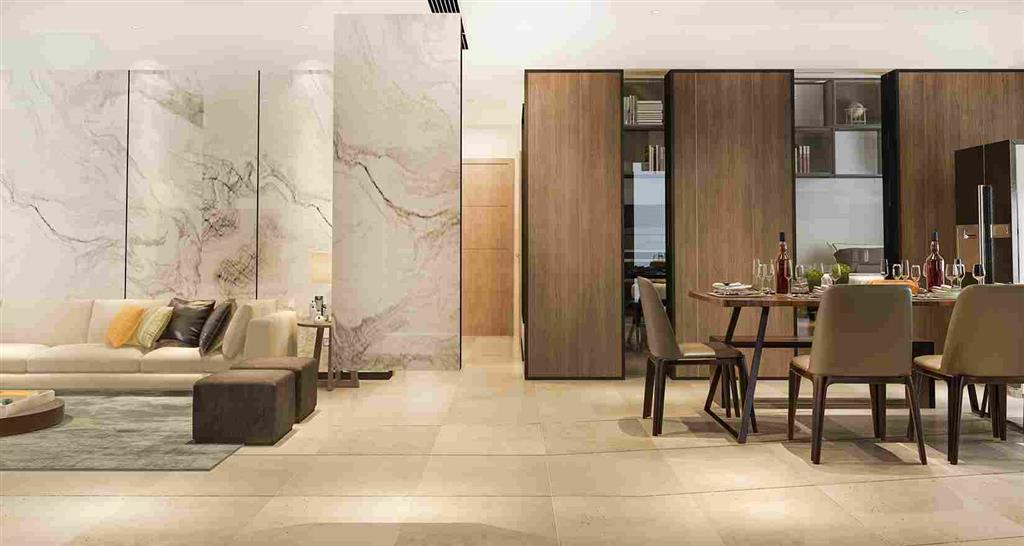
  • Laminates & surface coatings
  • Adhesives & bonding agents
  • Foam (sofas, mattresses)
  • Plastic furniture
  • Edge bands, veneers, finishes
  • Engineered wood binders


SEGMENT-WISE IMPACT ON FURNITURE


A. Modular Furniture (Big Winner)

Materials impacted:

  • PVC edge bands
  • Acrylic finishes
  • PU coatings
  • Adhesives

Impact:

  • Cost reduction across core components
  • Better margins OR pricing flexibility

👉 Insight:
Modular furniture is polymer-heavy, so it benefits faster than solid wood furniture

👉 Expect:

  • More competitive pricing in mid & premium modular kitchens/wardrobes
  • Increased push from organized brands


B. Upholstered Furniture (Sofas, Seating)

Materials impacted:

  • Polyurethane (PU) foam
  • Synthetic fabrics
  • Adhesives

Impact:

  • Foam = major cost component
  • Relief after recent crude-linked inflation

👉 Result:

  • Sofa pricing stabilisation
  • Margin recovery for manufacturers


C. Plastic Furniture (Direct & Immediate Impact)

Materials impacted:

  • Polypropylene (PP)
  • Polyethylene (PE)
  • PVC

Impact:

  • Biggest beneficiary segment
  • Raw material = dominant cost

👉 Expect:

  • Price drop OR aggressive dealer schemes
  • Boost in rural & mass housing demand


D. Panel-Based Furniture (Engineered Wood, MDF, Particle Board)

Materials impacted:

  • Resins (phenol, formaldehyde chain)
  • Adhesives
  • Laminate coatings

Impact:

  • Slight cost reduction
  • Stabilisation of panel prices

👉 Important nuance:

  • Wood still dominates cost → impact is moderate, not dramatic


E. Luxury / Solid Wood Furniture

Impact:

  • Minimal direct benefit

👉 Why:

  • Less dependence on petrochemicals
  • Costs driven by:
    • Wood
    • Craftsmanship
    • Logistics

👉 Only indirect gains:

  • Cheaper coatings / finishes


3. MANUFACTURING SIDE IMPACT

Relief After Near Shutdown Risk

  • Plastics & polymer-linked sectors were under severe stress
  • Many units operating at 25–30% capacity

👉 Furniture manufacturers using these inputs:

  • Get supply stability
  • Avoid production disruptions

MSME Furniture Manufacturers – Biggest Relief

  • Highly dependent on imported chemicals
  • Thin margins → highly sensitive to raw material price

👉 This policy:

  • Prevents shutdowns
  • Improves working capital cycles


4. PRICING: WILL FURNITURE GET CHEAPER?

Short Answer: Not immediately cheaper, but…

Likely scenario:

  • Prices stabilise first
  • Then selective price corrections in:
    • Plastic furniture
    • Modular kitchens
    • Entry-level furniture

👉 Why not instant drop?

  • Existing inventory at higher cost
  • Brands may retain margins


5. STRATEGIC SHIFT IN FURNITURE INDUSTRY

1. Faster Shift to Engineered Furniture

  • PVC, laminates, acrylics become cheaper
  • More adoption vs solid wood

2. Rise of “Affordable Premium”

  • Acrylic + PU + laminate finishes become viable
  • Better-looking furniture at mid-range pricing

3. Boost to Organized Brands

  • Large players can pass benefits faster
  • Gain share from unorganized sector

4. Import vs Domestic Dynamics

⚠️ Important contradiction:

  • Cheaper imports of raw materials → good for manufacturers
  • But:
    • Domestic petrochemical players face pressure
    • “Make in India” vs “Import advantage” tension
RELATED TAGS

SEARCH TAGS

GET WEEKLY NEWSLETTER

ABOUT FURNITURE DESIGN & TECHNOLOGY

Furniture Design India and the magazine FURNITURE DESIGN & TECHNOLOGY (FDT magazine) are from the trusted 22-year-old media house of SURFACES REPORTER and PLY REPORTER.

FDT is a B2B monthly bilingual magazine from India that shares the pulse of the furniture business in India and connects the manufacturers, OEMS, product designers, architects, showrooms, designers and dealers.

Read More
MORE ARTICLES

;

© 2026 Furniture Design and Technologies.. All Rights Reserved. Developed by eyeQ Advertising